
media appearances
Conversations that don’t hold back
Also appearing in:
Financial Times
NBC Nightly News
CBC
Forbes
TVO
Financial Post
Toronto Star
Globe and Mail
Il Sole 24 Ore
Global News
The Guardian
CTV News
Bloomberg Business
La Tercera
BBC
Corriere della Sera
Christian Science Monitor
Wired
Vice
The Logic
Pivot Magazine
El Mostrador
Quatre 95
TechWire
CityNews
Maclean's
HSM Management
NPR
National Post
Financial Times NBC Nightly News CBC Forbes TVO Financial Post Toronto Star Globe and Mail Il Sole 24 Ore Global News The Guardian CTV News Bloomberg Business La Tercera BBC Corriere della Sera Christian Science Monitor Wired Vice The Logic Pivot Magazine El Mostrador Quatre 95 TechWire CityNews Maclean's HSM Management NPR National Post
Teaching Complex Management Challenges
Sarah Kaplan, Professor of Strategic Management at the Rotman School of Business at the University of Toronto. Kaplan won an Aspen Institute Ideas Worth Teaching Award for her course, The 360º Corporation, which investigates a single firm from a full spectrum of economic and social perspectives. We spoke with Professor Kaplan about her course.
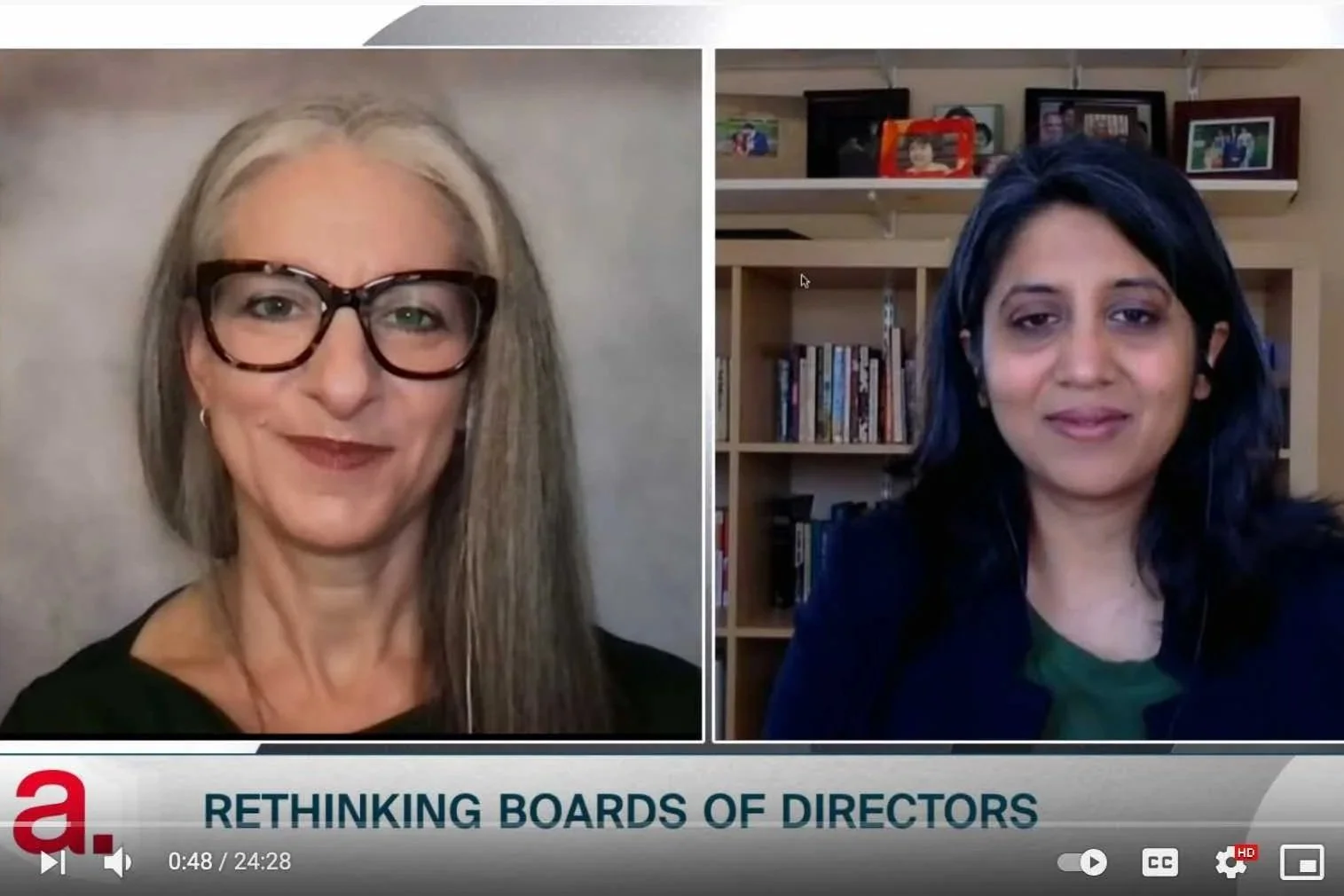
TVO’s The Agenda: Where are the directors in a world in crisis?
In the mid-1990s, corporate Canada adopted a new set of guidelines to inform the structure of their boards of directors. A quarter century on, and amid mounting emergencies such as COVID-19, climate change, inequality, racism, and ongoing gender gaps, is another overhaul needed? Steve Paikin of TVO’s The Agenda discusses this with Veena Ramani, senior program director, Capital Market Systems at Ceres; and Sarah Kaplan, director at the Institute for Gender and the Economy.
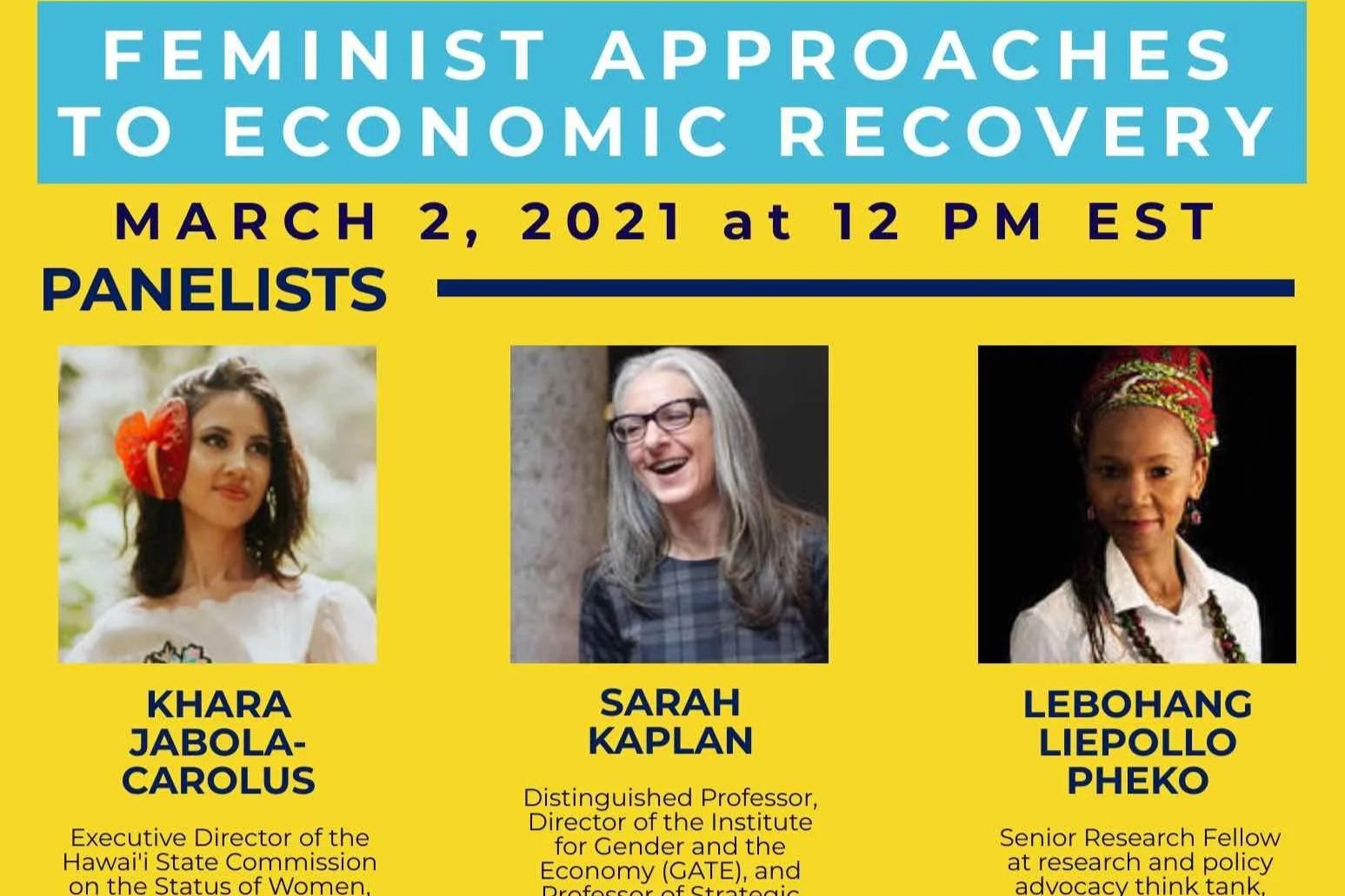
Feminist Approaches to Economic Recovery
This panel Conference on Gender and International Affairs at the Fletcher School explores the concept of feminist economics and its place in economic recovery in the age of COVID-19. We discussed how gendered analysis can enhance and improve economic policies and strategies for economic recovery. The first part of the panel covered the concept of gender-responsive economic theory and approaches to economic policy. The latter part explored the integration of feminist approaches in plans for economic recovery from the effects of the COVID-19 pandemic.

What’s at Stake When Women Leave the Workforce During COVID-19?
When it comes to the effects of the COVID-19 crisis, all things are not created equal. By all accounts, women’s finances and career growth have been disproportionately affected. The lion’s share of domestic responsibilities — taking care of children, helping with virtual school, looking after ailing family members — has also fallen to women. TVO.org speaks with Sarah Kaplan about the so-called she-cession, how women can guard against losing their hard-won place in the workforce — and how the pandemic could create meaningful change.
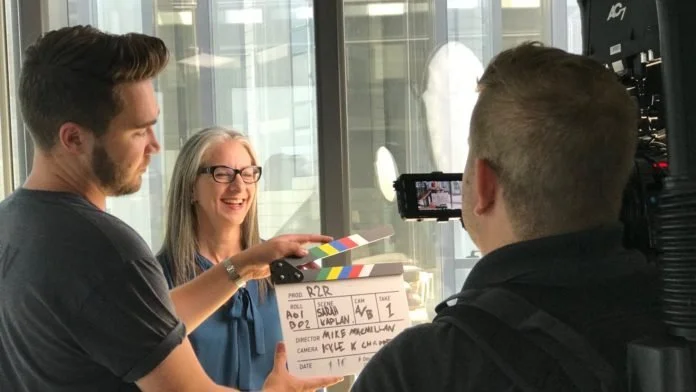
Sometimes, They Just Can’t Handle the Truth
Research2Reality profiles Sarah Kaplan: “This researcher knows, in the pursuit of gender equality, there are rarely easy and straightforward answers. Nevertheless, she persists.”
The Future in Sound: Dwelling in Tensions
Best-selling author of The 360° Corporation and Professor of Management at the University of Toronto, Dr. Sarah Kaplan explains how the ‘innovation mindset’ can be applied to sustainability, how the diverse views of stakeholders can improve decision making, why it’s important to dwell in tensions between stakeholders when there is no clear win-win solution, and much more.
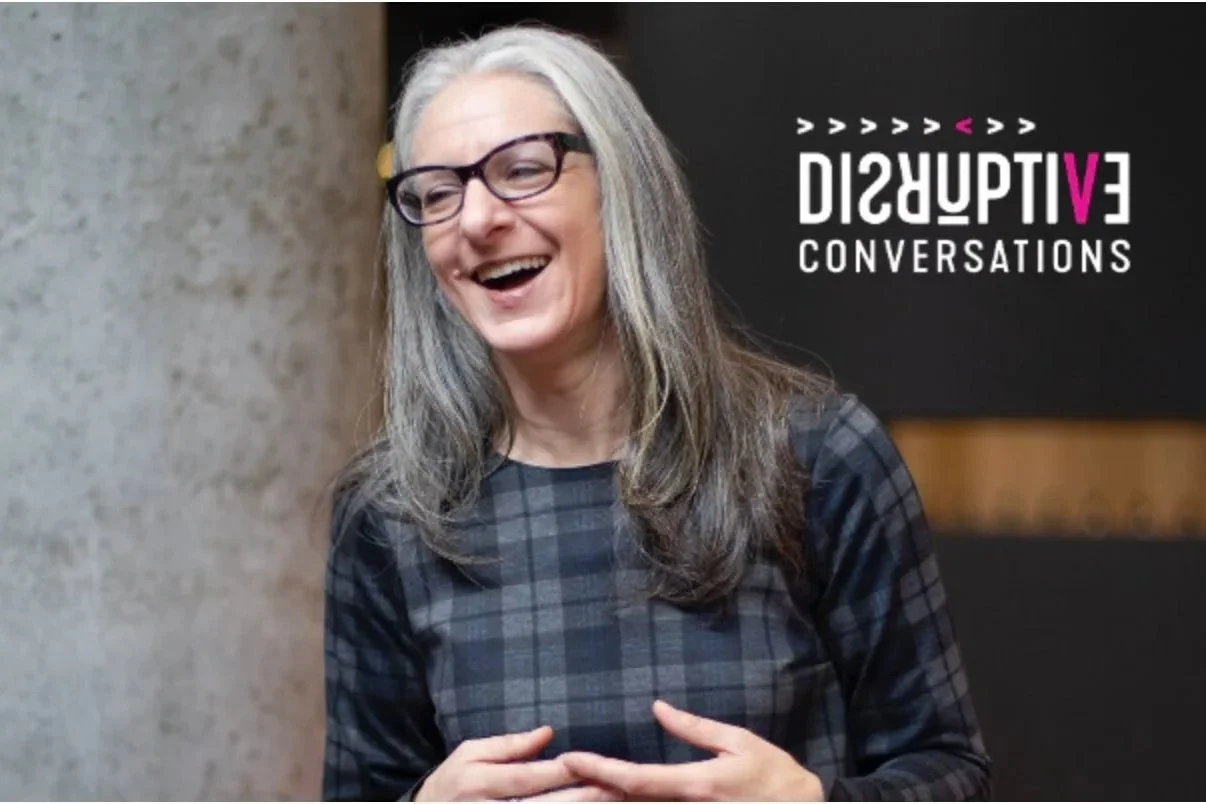
Business Models for a better world. A Disruptive Conversation with Sarah Kaplan
In this episode of Disruptive Conversations, Keita Demming speaks with Sarah Kaplan (PhD). Sarah is an innovation scholar at the University of Toronto’s Rotman School of Management. She has recently written the book The 360˚ Corporation. Today, Sarah works to explore how ideas from innovation can be applied in a way that helps to create a world of social and economic justice. Although much of her work focuses on gender equality, it is clear Sarah takes an intersectional approach to her work.
A Conversation with Sarah Kaplan on COVID’s Greater Impact on Women — and How We Can Rebuild Equitably
Women of Influence spoke with Sarah Kaplan, Founder and Director of GATE, to get her take on why it’s important to look at COVID with an intersectional gendered lens, where we are headed with respect to gender equality, and what we can be doing to build a more inclusive future.
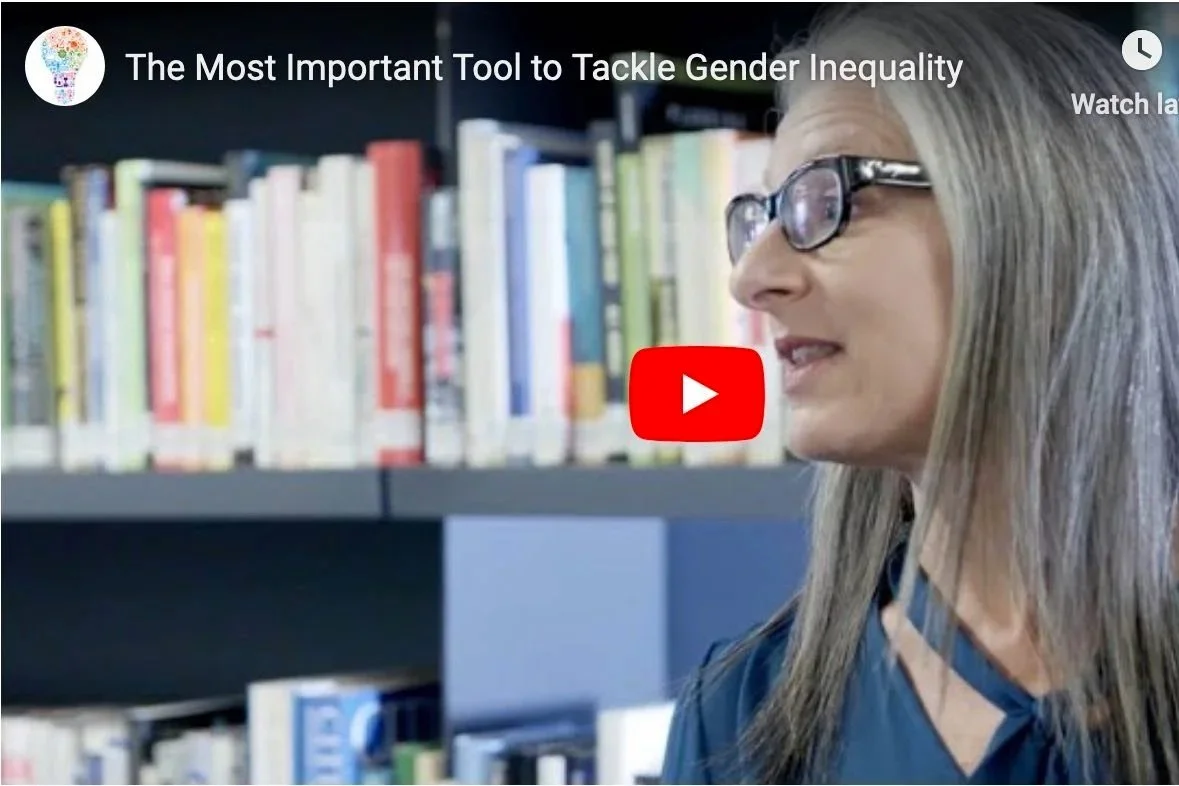
The Most Important Tool to Tackle Gender Inequality
This Research2Reality interview asks the question: Can innovation change the conversation on gender equality Researchers at the University of Toronto’s Institute for Gender and the Economy — Rotman believe that it can. Director Sarah Kaplan works to dispel myths and provide new angles to tackle gaps in gender equality.
Build Back Better After COVID-19: Why Corporations Need a Radical Redesign
As we navigate this global pandemic and make plans to move forward, we’re realizing that striving for ‘back to normal’ or ‘business as usual’ isn’t good enough. “As the COVID-19 crisis and the recent Black Lives Matter protests have pointed out, ‘normal’ wasn’t so great for a lot of people,” explains Sarah Kaplan. In the latest Managing Uncertainty webinar — Build Back Better After COVID-19: Why Corporations Need a Radical Redesign — Kaplan and Professor Soo Min Toh, discuss what it means to build back better, and why rebuilding should be seen as an innovation challenge.
Atlantic Live: The Future of the Workplace
How will the pandemic change the workplace as we know it? What will corporate work environments look like in the future, as we adapt to and move on from the COVID-19 crisis? Sarah Kaplan, author of The 360° Corporation: From Stakeholder Trade-offs to Transformation, and Tracy Keogh, chief human resources officer for HP, joined The Atlantic’s Derek Thompson to discuss at this AtlanticLIVE event.

What does COVID-19 mean for Gender and the Economy?
Sarah Kaplan and Jake Stika from Next Gen Men discuss how organizations that invested in diversity and inclusion before COVID-19 proved far more resilient during the crisis, showing that equity is a core business strategy rather than an optional add-on. The pandemic has exposed deeply gendered impacts, from women bearing disproportionate unpaid labor and domestic violence to men facing identity challenges as traditional roles are disrupted, revealing how systemic inequality shapes outcomes we rarely examine. The crisis presents a rare opportunity to rethink GDP, expand gender-based policy analysis, challenge consumerism, and open up rigid gender norms around caregiving and employment. Both speakers argue that recovery must be built through a gender lens from the start, because the window for meaningful systemic change is open right now.