
media appearances
Conversations that don’t hold back
Also appearing in:
Financial Times
NBC Nightly News
CBC
Forbes
TVO
Financial Post
Toronto Star
Globe and Mail
Il Sole 24 Ore
Global News
The Guardian
CTV News
Bloomberg Business
La Tercera
BBC
Corriere della Sera
Christian Science Monitor
Wired
Vice
The Logic
Pivot Magazine
El Mostrador
Quatre 95
TechWire
CityNews
Maclean's
HSM Management
NPR
National Post
Financial Times NBC Nightly News CBC Forbes TVO Financial Post Toronto Star Globe and Mail Il Sole 24 Ore Global News The Guardian CTV News Bloomberg Business La Tercera BBC Corriere della Sera Christian Science Monitor Wired Vice The Logic Pivot Magazine El Mostrador Quatre 95 TechWire CityNews Maclean's HSM Management NPR National Post
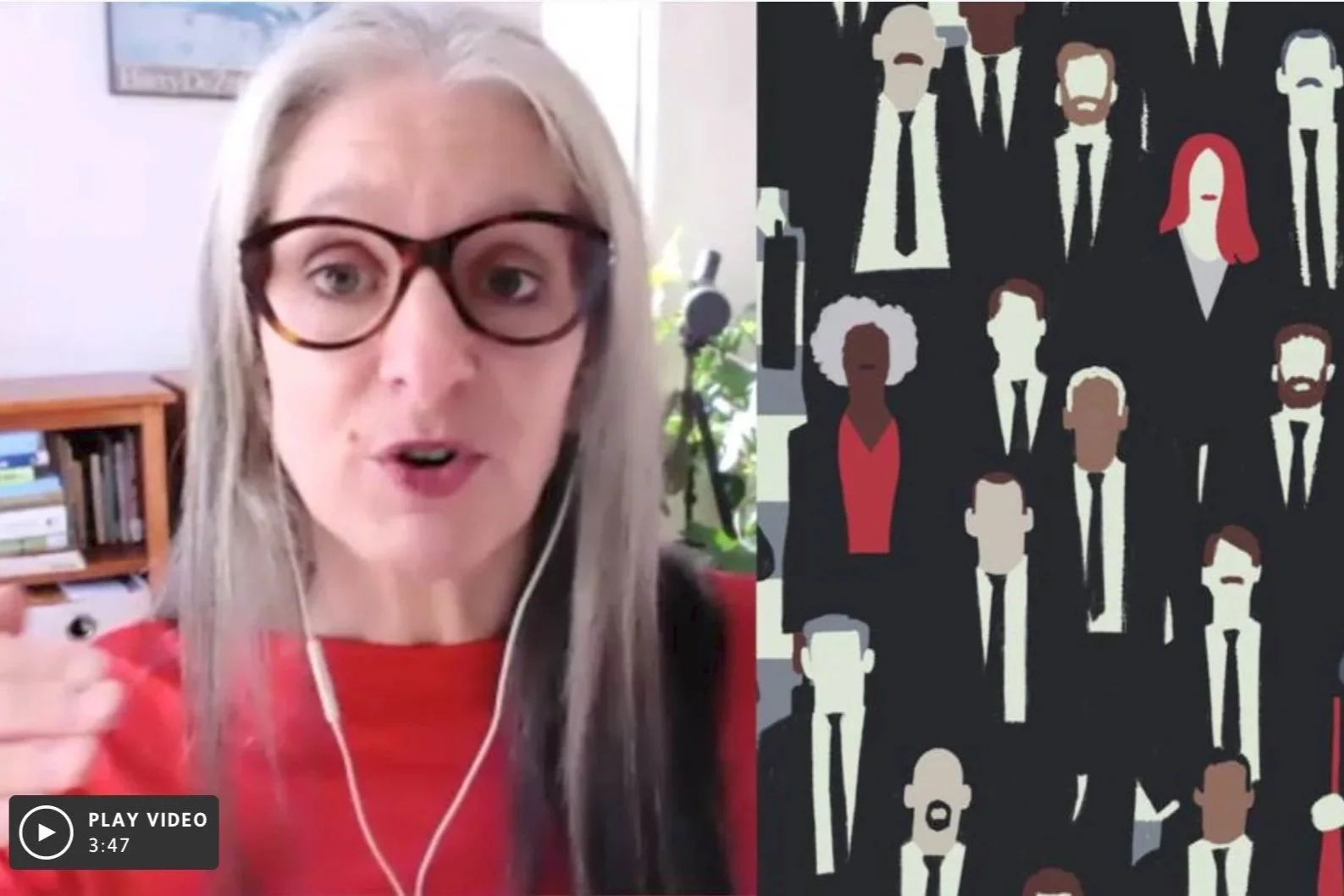
The Consequences of the Gender Power Gap
For the Globe and Mail, Sarah Kaplan, Director of the Institute for Gender and the Economy at University of Toronto Rotman School of Management, discusses the gender Power Gap in leadership, its consequences, and one way to start to close the gap.
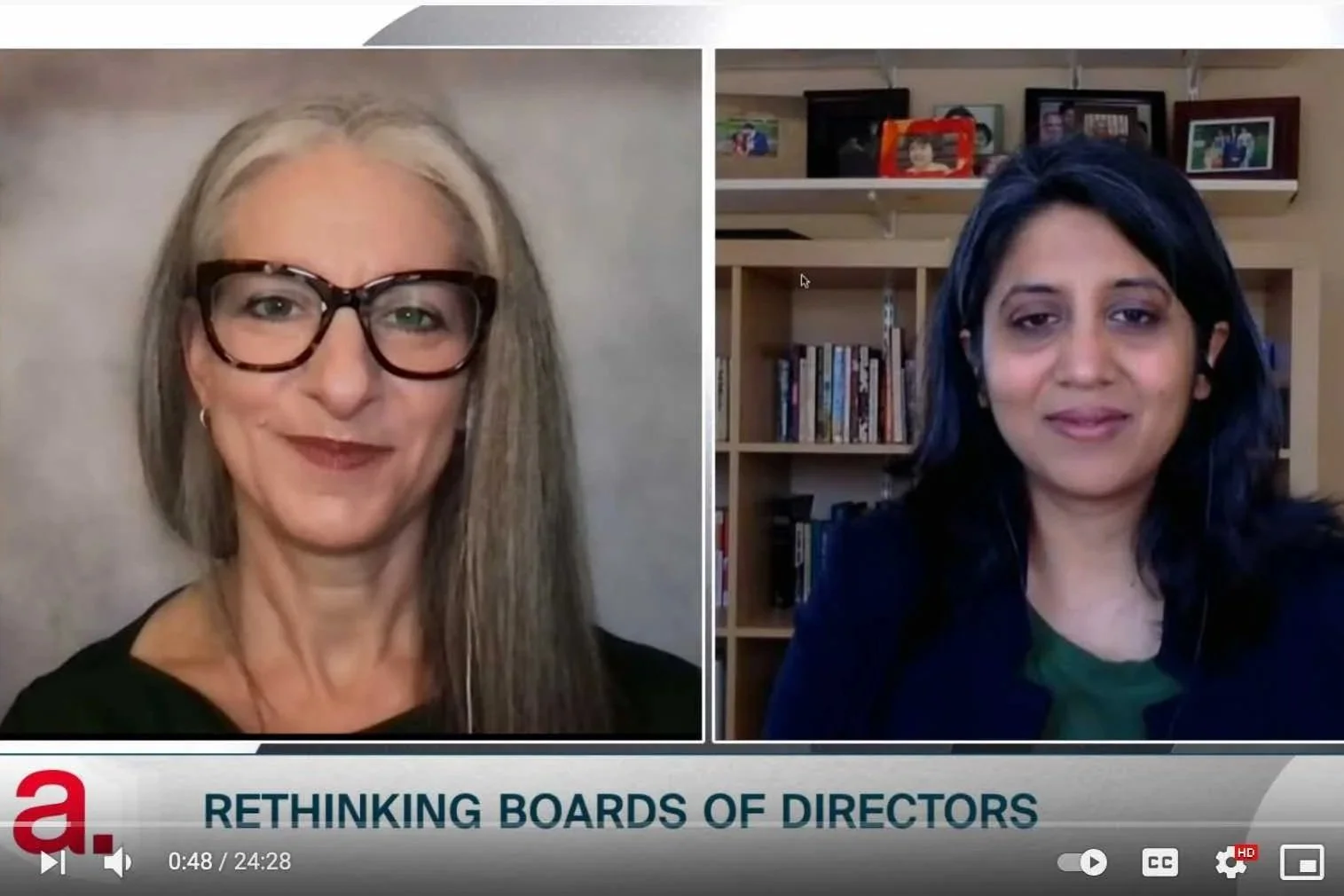
TVO’s The Agenda: Where are the directors in a world in crisis?
In the mid-1990s, corporate Canada adopted a new set of guidelines to inform the structure of their boards of directors. A quarter century on, and amid mounting emergencies such as COVID-19, climate change, inequality, racism, and ongoing gender gaps, is another overhaul needed? Steve Paikin of TVO’s The Agenda discusses this with Veena Ramani, senior program director, Capital Market Systems at Ceres; and Sarah Kaplan, director at the Institute for Gender and the Economy.
The Future in Sound: Dwelling in Tensions
Best-selling author of The 360° Corporation and Professor of Management at the University of Toronto, Dr. Sarah Kaplan explains how the ‘innovation mindset’ can be applied to sustainability, how the diverse views of stakeholders can improve decision making, why it’s important to dwell in tensions between stakeholders when there is no clear win-win solution, and much more.
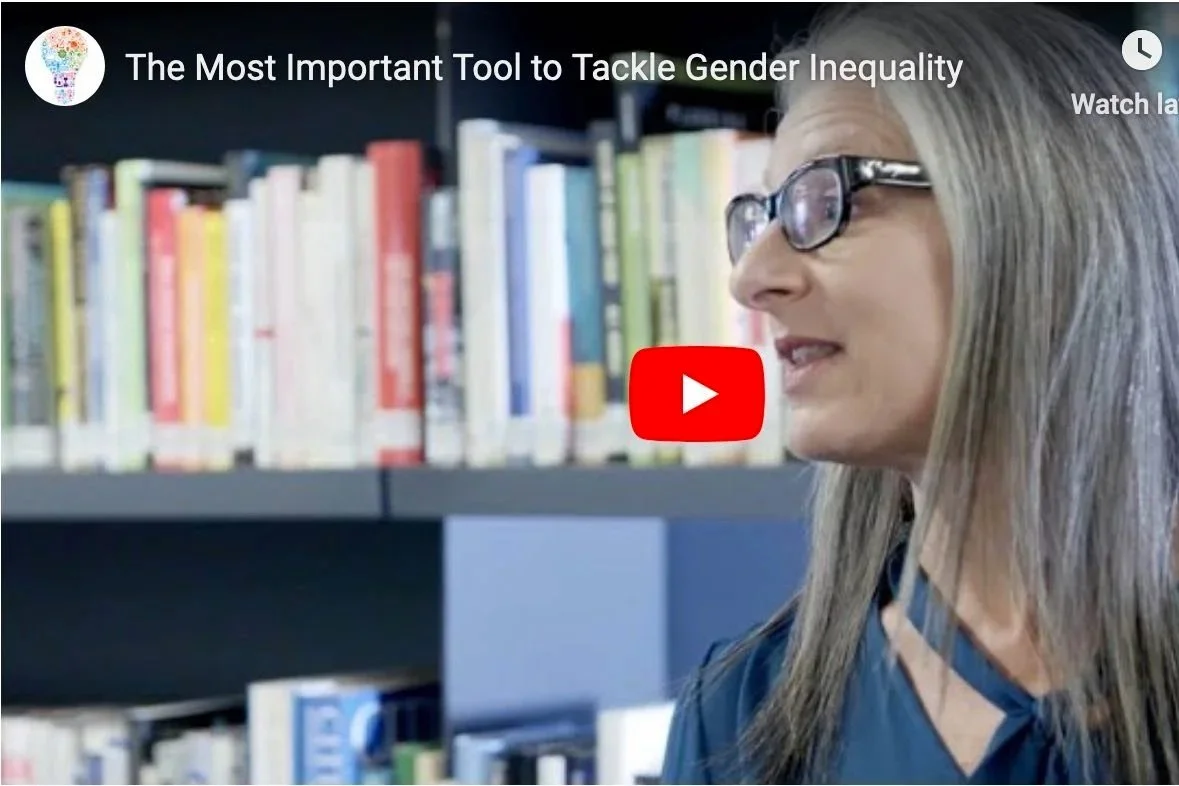
The Most Important Tool to Tackle Gender Inequality
This Research2Reality interview asks the question: Can innovation change the conversation on gender equality Researchers at the University of Toronto’s Institute for Gender and the Economy — Rotman believe that it can. Director Sarah Kaplan works to dispel myths and provide new angles to tackle gaps in gender equality.
Build Back Better After COVID-19: Why Corporations Need a Radical Redesign
As we navigate this global pandemic and make plans to move forward, we’re realizing that striving for ‘back to normal’ or ‘business as usual’ isn’t good enough. “As the COVID-19 crisis and the recent Black Lives Matter protests have pointed out, ‘normal’ wasn’t so great for a lot of people,” explains Sarah Kaplan. In the latest Managing Uncertainty webinar — Build Back Better After COVID-19: Why Corporations Need a Radical Redesign — Kaplan and Professor Soo Min Toh, discuss what it means to build back better, and why rebuilding should be seen as an innovation challenge.
Atlantic Live: The Future of the Workplace
How will the pandemic change the workplace as we know it? What will corporate work environments look like in the future, as we adapt to and move on from the COVID-19 crisis? Sarah Kaplan, author of The 360° Corporation: From Stakeholder Trade-offs to Transformation, and Tracy Keogh, chief human resources officer for HP, joined The Atlantic’s Derek Thompson to discuss at this AtlanticLIVE event.
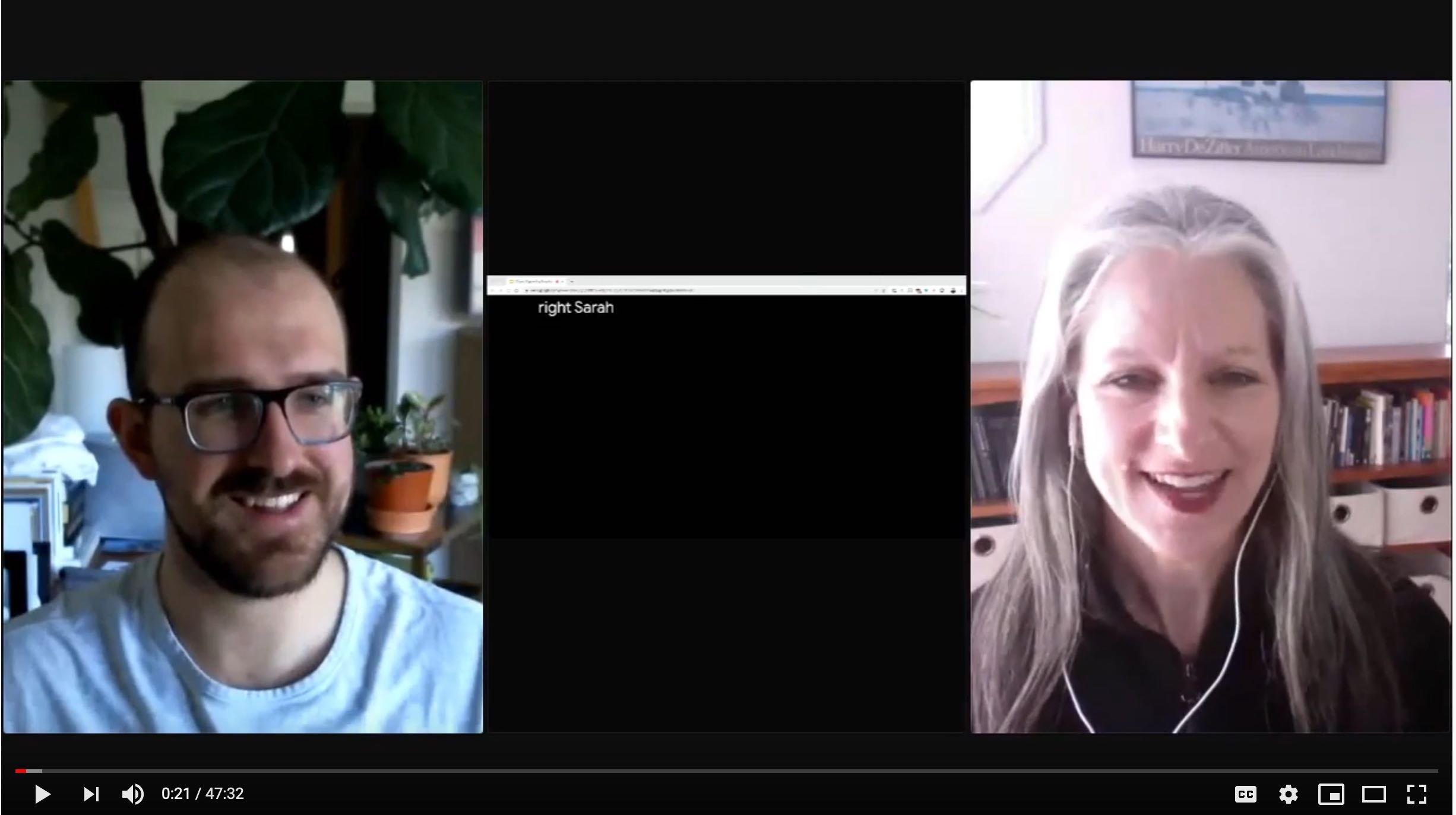
What does COVID-19 mean for Gender and the Economy?
Sarah Kaplan and Jake Stika from Next Gen Men discuss how organizations that invested in diversity and inclusion before COVID-19 proved far more resilient during the crisis, showing that equity is a core business strategy rather than an optional add-on. The pandemic has exposed deeply gendered impacts, from women bearing disproportionate unpaid labor and domestic violence to men facing identity challenges as traditional roles are disrupted, revealing how systemic inequality shapes outcomes we rarely examine. The crisis presents a rare opportunity to rethink GDP, expand gender-based policy analysis, challenge consumerism, and open up rigid gender norms around caregiving and employment. Both speakers argue that recovery must be built through a gender lens from the start, because the window for meaningful systemic change is open right now.
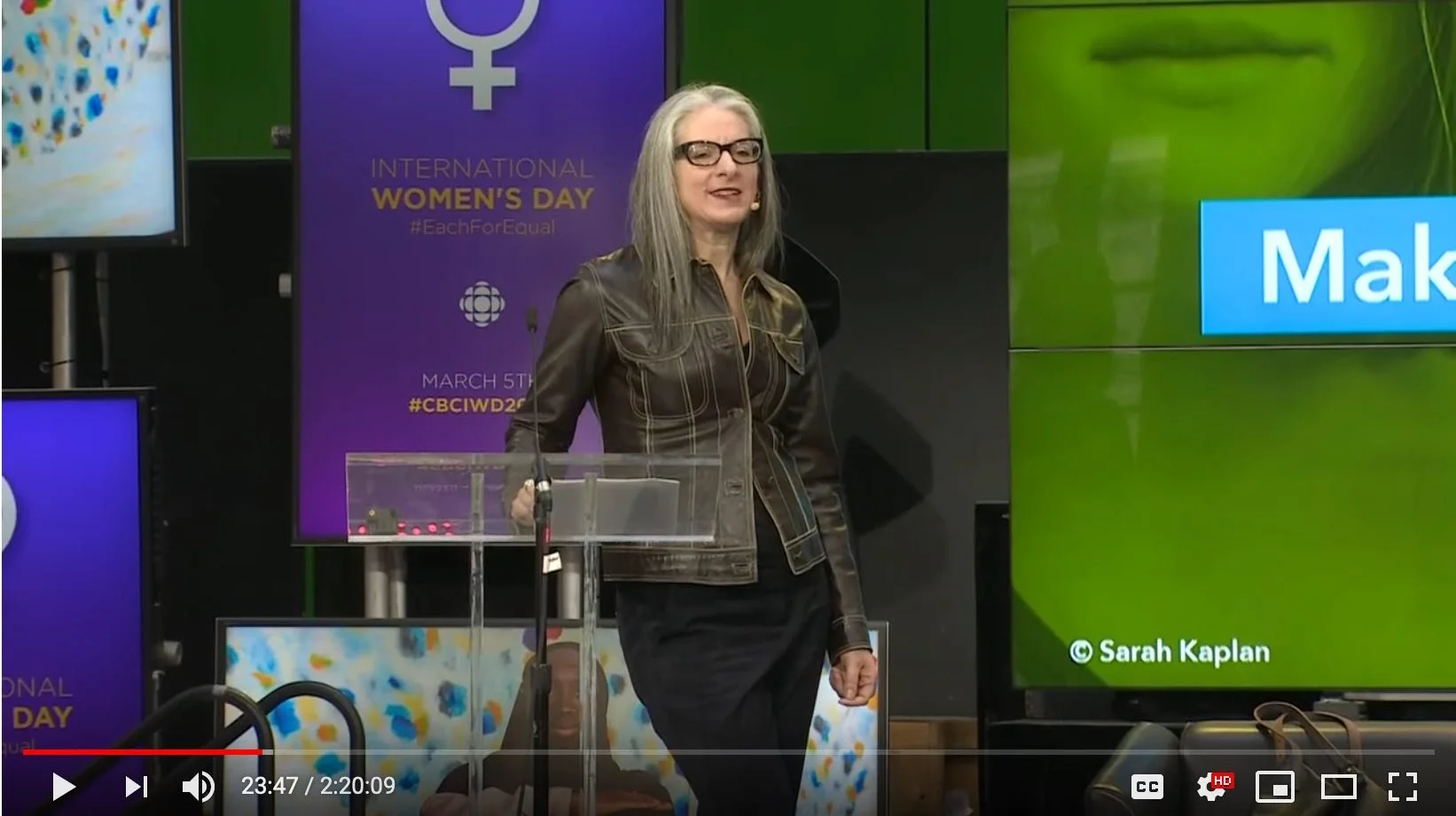
CBC International Women’s Day Celebration: #EachForEqual
This Canadian Broadcasting Corporation International Women’s Day theme is #EachForEqual, and two CBC Employee Resource Groups, Women in Tech and Visible Women, have come together to organize, celebrate and advocate for and spread awareness about creating equality in the workspace for women working across industries. Sarah Kaplan gave the keynote and then participated in a panel discussion. The topic of her talk was “Making real progress on gender equality.”
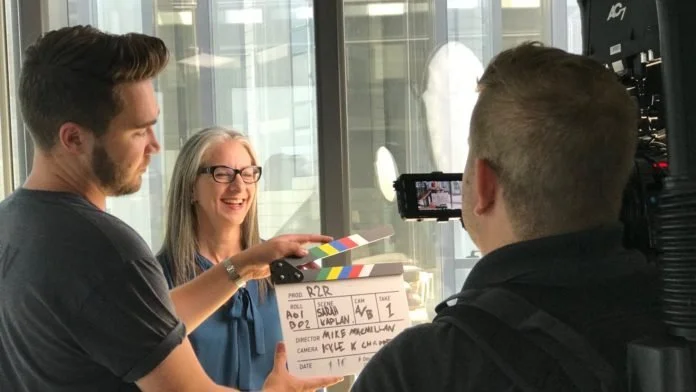
Gender Inequality Goes Far Beyond Our Brains
In this interview for Research2Reality, “So what’s really interesting is a lot of people think that our challenge with gender equality just had to do with that we have biases in our brains, and so if we can only fix our brains, we would somehow fix the problem.” Unfortunately, the problems go beyond psychological barriers, extending into the institutions that influence how people behave. Real change takes more than flipping a switch in our minds because we also need to change the foundations of the society that perpetuates the divide.
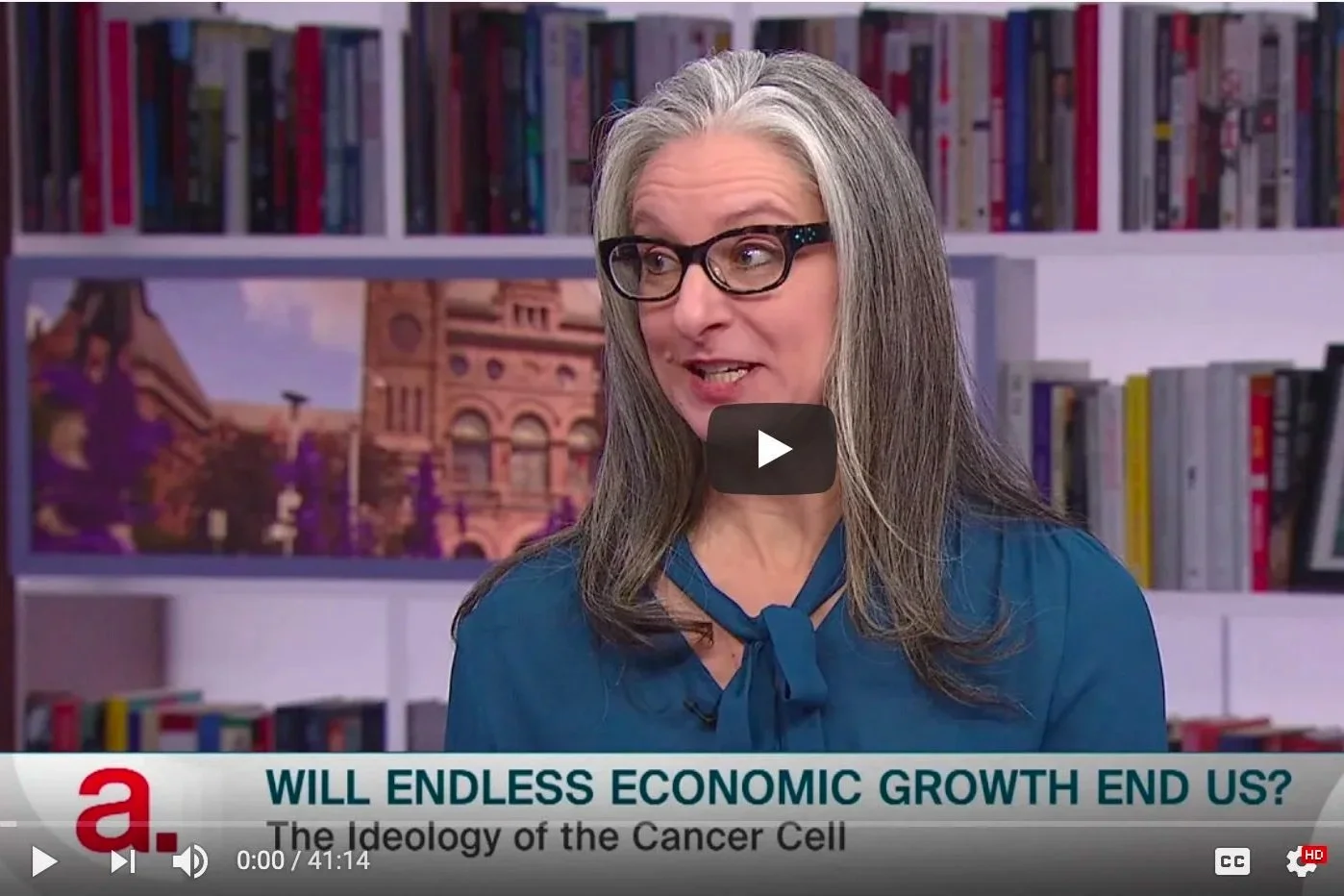
TVO’s The Agenda: End Growth, Save the Planet?
It's said that a rising tide lifts all boats. That's usually considered a good thing. But what if the economic growth that the expression refers to actually results in widespread flooding... To continue the metaphor... Acting as a driving force behind ecological destruction? In a conversation with host Steve Paikin of TVO’s The Agenda, we addressed: What are the consequences of endless economic expansion?
Work–Life Balance as a Household Negotiation
Policies to bring more women into the formal workforce often do not consider the household work that women already do to support the survival of their families, making work-for-wages impossible or creating time famines for women who attempt to do both. Women’s ability to work formal jobs was a family project to reallocate labor. The focus on the individual in work–life balance research and policy-making inadequately represents a phenomenon that involves other household members, implicitly or explicitly. It also highlights the need to broaden our definition of “work” to include both the paid and unpaid labor that is vital to people’s survival.
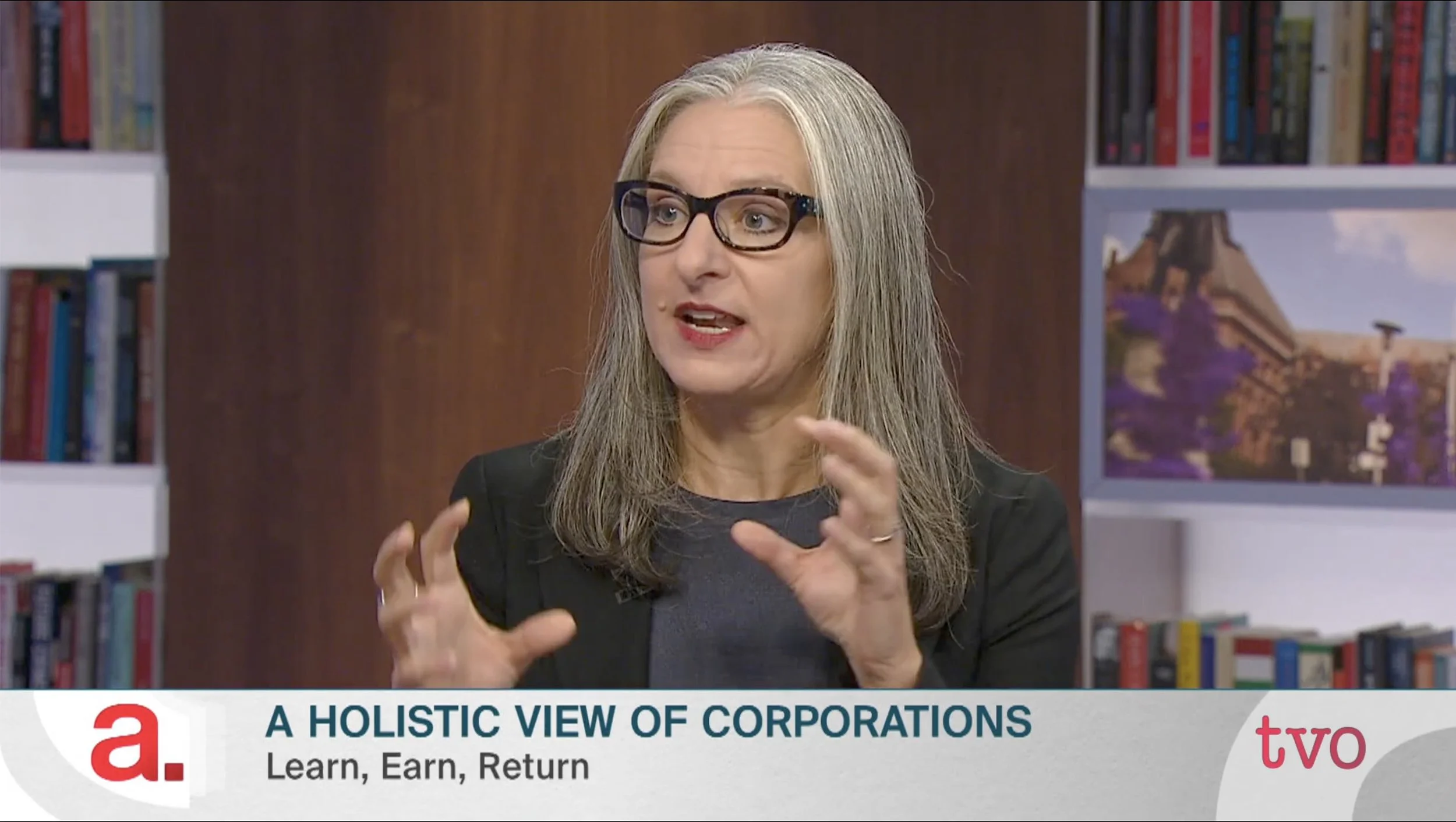
TVO’s The Agenda: A Holistic View of Corporations
Corporations are critical players in Canada's economy - they create the wealth, jobs, goods, and services we all need. And increasingly that's prompted people to see them as more than commercial enterprises, but as key social actors too. The Agenda welcomes Sarah Kaplan to discuss her new book, "The 360 degree Corporation: From Stakeholder Trade-offs to Transformation," about how businesses are confronting some of those new expectations.